Oura Ring 4 Smart Ring Review: Is It Worth The Hype?
Ever wondered what your body is telling you while you sleep? The Oura Ring 4 turns that question into clear, daily answers. It fits on your finger and tracks your health quietly in the background.
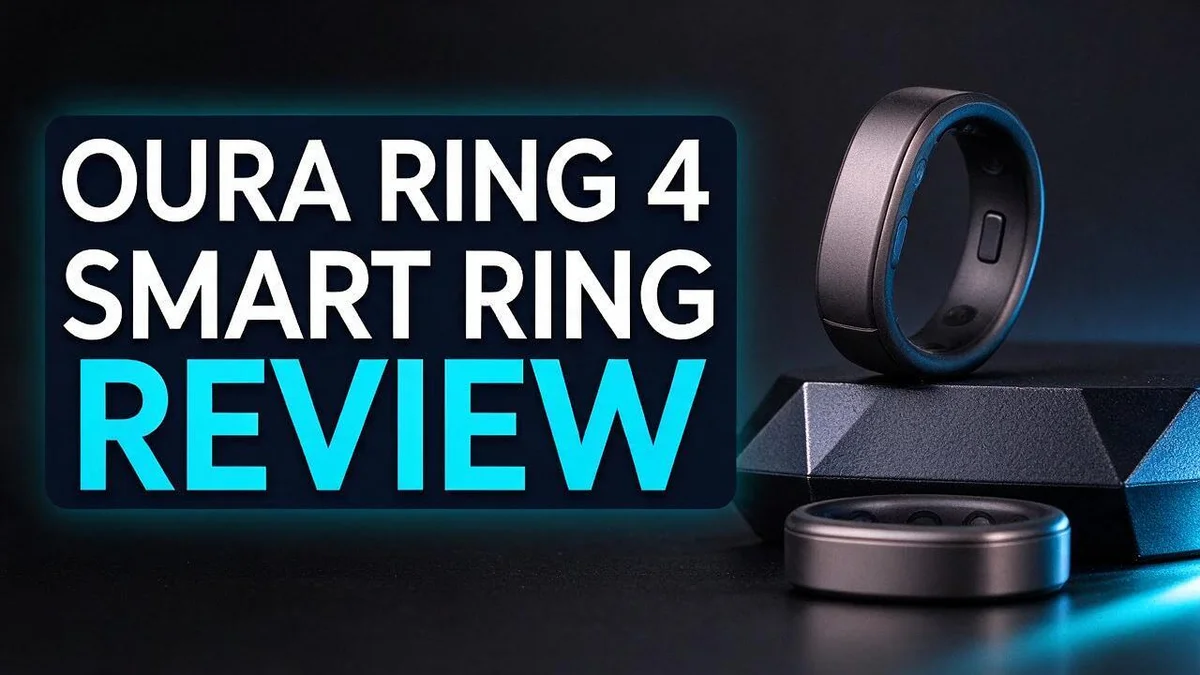
Most people forget about their wearables after a week. This ring feels different. It is made from titanium and has a sleek, flush design that feels light on your hand. Many users say they forget they wear it at all.
Inside, sensors on your finger read your heart rate, temperature, and movement. The ring tracks over 50 biometrics, including sleep, readiness, and activity. The app then turns that data into simple guidance you can use today.
Sleep tracking is where this ring really shines. Keep reading to see if it fits your life.
In a Nutshell
-
Light and sleek: The titanium body feels light on your hand. Many people barely notice it during the day, even while they sleep.
-
Sizes for most fingers: The ring ranges from size 4 to size 15. Most adults can find a snug and comfortable fit. You can also choose a ceramic finish if you prefer a different look.
-
Over 50 health signals: Smart Sensing tracks more than 50 biometrics. You can view your sleep, readiness, and activity in one place. This gives you a fuller picture of your daily habits.
-
A cleaner app: The redesigned app feels simple to use. Your daily scores appear in plain language. You spend less time hunting for the details you need.
-
Sharper data: Improved accuracy helps your trends look more reliable. Small changes in your routine show up faster. This makes it easier to spot patterns over several weeks.
-
Extra costs to consider: A subscription is needed to unlock the full feature set. Check this detail before you commit. Limited for gym fans: Heavy lifters may prefer a dedicated fitness tracker instead.
Sensors and Health Tracking

- ACCURACY - SMART SENSING - Oura tracks over 50 health metrics, including sleep, activity, stress, heart health, and...
- ACCURATE SIZING ESSENTIAL - Oura Ring 4 uses unique sizing different from standard jewelry rings; use the Oura Ring...

Last update on 2026-11-23 / Affiliate links / Images from Amazon Product Advertising API
Light plays a big role in how the ring reads your body. Tiny sensors shine light into your skin. Blood flow changes with each heartbeat, and the ring turns those changes into pulse data.
Your resting heart rate gets special attention overnight. The ring tracks it while you sleep, so you can spot patterns. A rising number may suggest your body needs more rest or is fighting something off.
Temperature readings add another layer. The sensor checks your skin temperature while you sleep. Over time, it builds a personal baseline for your body. Small shifts from that baseline can hint at illness or changes in your menstrual cycle.
Movement sensing works quietly in the background. The motion sensor counts steps and notices when you move. It also helps the ring tell true rest from restless tossing and turning.
Finger placement offers a steady advantage. Your finger moves less than your wrist during the day and night. Less movement often means cleaner signals, especially when you are resting.
The ring then combines these inputs into daily scores. Heart rate, temperature, and movement work together. This mix gives you a fuller picture of how your body handles stress and recovery.
Trends matter more than single numbers. One odd reading rarely tells you much. Look at the pattern across several days instead. That view helps you make smarter choices about sleep, workouts, and rest days.
Keep the ring on for the best results. Gaps in wear leave holes in your data. Charge it at a time that fits your routine, so the sensors keep working.
The ring is not a medical device. It offers helpful guidance, not a diagnosis. If something feels wrong, talk with a doctor. Treat the data as a useful signal, not a final answer.
Sleep and Recovery Insights
Recovery is about more than how long you sleep. The Oura Ring 4 looks at how well your body bounces back each morning. Think of it as a daily check on your energy tank. Low scores are a signal, not a verdict.
Sleep stages tell their own story. Light, deep, and REM sleep each play a role in how you feel. Deep sleep often helps your body repair itself.
Bedtime consistency matters a lot. Going to bed at similar times helps your body settle into a steady rhythm. The app shows when you drift off and wake up.
Weekend sleep can look different from weekday sleep. Many people sleep in on Saturdays. The data can show how that shift affects your energy on Monday.
Spot patterns in your own life. Notice when recovery dips. Then ask what changed that day. Late meals, alcohol, or a stressful meeting can leave a mark.
Training days need more thought. A low recovery morning may call for an easier workout. Hard effort on a tired body can slow your progress.
People who lift weights should keep this in mind. The ring offers strong recovery insight, but it does not replace a dedicated lifting tracker. Use both for the best picture.
Check your morning summary before coffee. It takes less than a minute. A quick look sets the tone for your day.
Pair the data with how you feel. Write a short note each morning about energy and mood. Over time, you will spot links between habits and rest.
Consistency beats perfection. Wear the ring every night and charge it on a steady schedule. A few weeks of data reveals your personal baseline.
Use the numbers as a guide, not a rule. Your own feel still counts most. If you feel off, rest a little more and watch the trend.
Materials, Finish and Wearability
The Oura Ring 4 uses an all titanium build. The metal feels smooth and cool against your skin.
It gives the ring a clean, modern look that suits most styles.
Finish matters too. The surface looks polished and simple.
It fits both office days and casual weekends. You can wear it with a watch or alone.
A ceramic version also exists. Ceramic gives the ring a different look and feel.
Some people like its smooth finish. Pick the style that matches your taste.
Flush sensors help the ring sit close to your finger. Sensors that sit flat against the skin reduce bulky edges.
This low profile means fewer snags on sweaters and bedding.
Wearability goes beyond size. Your finger shape changes through the day.
Fingers often swell after exercise, heat, or long flights. Try wearing the ring at different times to check the fit.
Hand washing and chores need a little care. Some soaps, lotions, and cleaners can dull the finish over time.
Take the ring off before heavy cleaning. Dry your hands well before putting it back on.
Sizing deserves a second look. Pick a size that slides on with light resistance.
A ring that spins freely can slip off during sleep or workouts. A snug fit feels secure but should never cut off circulation.
Your finger may be the best guide. Measure at the end of the day when fingers are largest.
Wrap a strip of paper around your finger and mark the overlap. Compare the mark with the sizing chart on the official site.
Comfort builds with time. Many users stop noticing the ring after a short adjustment period.
Wear it every night so your skin and the ring settle together.
A good fit makes the ring feel like part of your hand. That comfort keeps your data steady and your habit strong.
Top 3 Alternatives
Samsung Galaxy Ring

- SIZE BEFORE YOU BUY: Galaxy Ring sizes differ from standard ring sizes; Purchase the Samsung Galaxy Ring Sizing Kit...
- ANDROID ONLY: Galaxy Ring is compatible with Android smartphones.
Last update on 2026-11-23 / Affiliate links / Images from Amazon Product Advertising API
Looking for a smart ring that fits your phone? The Samsung Galaxy Ring is a strong pick.
It tracks sleep, heart rate, and daily activity in a slim titanium band. Pair it with a Galaxy phone and your data syncs into Samsung Health.
It also resists water, so you can wear it while washing dishes. Sizing kits help you find the right fit before you buy. The ring feels comfortable during sleep, so it works well at night.
RingConn Gen 2

- [Sleep Breathing Insights] RingConn Gen 2 Smart Ring supports sleep health with advanced technology. Developed with...
- [Size Before You Buy] RingConn Gen 2 Smart Ring uses unique sizing standards, different from U.S. and other health...
Last update on 2026-11-23 / Affiliate links / Images from Amazon Product Advertising API
Want a ring that focuses on sleep? The RingConn Gen 2 does this well.
It tracks your nights and can flag possible breathing issues. Battery life lasts many days, so you rarely reach for a charger.
Its comfortable design suits people who sleep on their side. It works with both iPhone and Android. Daily wear feels natural, even during workouts.
Ultrahuman Ring Air

- NO MONTHLY SUBSCRIPTION: 50+ health metrics from research-grade sensors, all in the free Ultrahuman app. No...
- UP TO 15 DAYS ON ONE CHARGE: Wear it for two weeks between charges. The included PRO Charger case tops the ring up...
Last update on 2026-11-23 / Affiliate links / Images from Amazon Product Advertising API
Prefer a ring that stays out of your way? The Ultrahuman Ring Air feels very light.
It tracks heart rate, sleep, and recovery. You get easy daily tips from your results.
It works with iPhone and Android. The sleek finish suits everyday outfits. Sizing guidance makes it easier to get a snug fit. Many users wear it all day and all night without fuss.
Sizing and Fit Guide
Finding the right size matters more than many people expect. The Oura Ring 4 comes in sizes 4 to 15, so most hands can find a match. A good fit keeps the ring steady all day.
Start with a sizing kit. Oura offers a sizing kit that lets you try different sizes first. Wear each one for a day or two. This gives you a real feel for comfort before you commit.
Measure your finger at home. Wrap a thin strip of paper around the base of your finger. Mark the spot where the ends meet, then measure the length in millimeters.
Match that number to the official size chart. Measure both hands, since one is often slightly larger. Pick the size that suits the hand you plan to wear it on most.
Watch the knuckle closely. The ring must slide over the knuckle with gentle pressure. If it stops at the joint, move up one size. A snug fit at the base is ideal.
Test the movement next. A good fit stays in place when you make a fist or bend your fingers. Light turning is normal, but heavy spinning means the ring is too big.
Numb, tingling, or cold fingers signal a ring that is too tight. Remove the ring right away and try a larger size. Comfort should always come first.
Do not use the Oura Ring 5 size chart for this model. The newer Gen 5 uses sizes 6 to 13, so its numbers do not match the Ring 4 range. Always check the chart for the exact model you own.
Think about how you use your hands each day. Busy hands that wash dishes or type often need a snug fit that stays put.
Keep a note of your size. Recheck it if your fingers change over time, since the ring may feel loose or tight.
Subscription and App Experience
Plan for the membership before you buy. The Oura Ring 4 needs an active subscription to unlock its full feature set. Knowing this early helps you avoid surprises later.
Your phone becomes the control center. The ring sends its data to the app, so keep Bluetooth turned on. Keep your phone close, especially overnight, so the sync stays smooth.
The redesigned app opens to a clean home screen. Your main scores appear first. Tap any card to see the details behind the number.
Beginners can start small. Focus on just one or two cards during your first week. Too many charts at once can feel overwhelming, and small steps build confidence.
Open the app once a day. Syncing happens in the background, but a quick check keeps your data current. Morning works well for most people.
Look for trends, not single days. One unusual score does not tell the whole story. Weekly views show patterns that matter far more than any one reading.
Notifications can nudge you toward rest or movement. Turn on only the alerts you actually read. Too many pings often lead to tuning everything out.
Share your data with your care team. Some users bring trend charts to a doctor visit. Ask your provider which numbers matter most for your health goals.
Read the membership terms before you cancel. Understand what you might lose access to if you stop your subscription. This helps you decide with confidence.
Make the app part of your routine. Check it at the same time each day, such as while you brush your teeth. A simple habit makes the information easier to use and act on.
Pros and Cons
Pros
– Strong sleep tracking shows how well you rest each night.
– Good battery life means fewer charging breaks during busy weeks.
– Smart Sensing follows over 50 biometrics in one place.
– Improved accuracy gives you more reliable daily readings.
– Temperature sensing reveals useful recovery trends over time.
Cons
– Less suited to gym users who want detailed workout tracking.
– The ring has no screen, so you must check your phone for data.
– Heart rate and movement tracking during intense training can feel limited.
– Activity features focus more on recovery than on performance goals.
Who Should Buy It
This ring fits people who want health insight without wearing a watch. Many users dislike bulky wrist gadgets, and a ring feels almost invisible.
Who gets the most value? People who already track their habits and want a quieter option. Think of it as a companion, not a coach.
Office workers who sit for long hours can benefit from gentle movement reminders. The ring also spots patterns that a packed schedule might hide.
Frequent travelers also find it useful. A small ring slips into a pocket or bag. Your data keeps flowing through time zone changes, so your routine stays visible.
New parents may appreciate the focus on recovery. Broken sleep is common, and seeing trends can ease worry without adding pressure.
Shift workers often struggle with irregular rest. The ring records sleep at any hour, so you can compare night shifts with days off. Patterns over several weeks reveal more than a single night.
Parents of active kids may find the ring easy to forget about. It stays on through most chores, so you rarely need to think about it.
Wellness beginners should consider this ring first. It asks for little effort each day. You learn about your body without feeling overwhelmed.
Android users may also compare the Samsung Galaxy Ring. It offers a similar wearable style with its own app experience. Check which phone you use before you decide.
Skip this ring if you need a medical device. It offers wellness insight, not diagnosis. Talk with a doctor about any health concerns.
Remember that the ring works best when you wear it most days. Gaps in wear leave holes in your trends, so charge it on a steady schedule.
Final check: ask yourself one question. Do you want a clearer picture of your body each day? If yes, this ring deserves a close look.
Final Verdict
The Oura Ring 4 earns a strong final score for people who want quiet health insight. Its light titanium build means many wearers forget it sits on their finger.
Think about fit before you decide. Sizes 4 to 15 cover a wide range of hands. A ceramic version also exists for buyers who prefer a different look.
Try sizing at different times. Fingers can swell during hot days or after workouts. Test the fit in the morning and again in the evening.
Compare it with the newer model. The Oura Ring 5 is the successor, and its sizes run from 6 to 13. Smaller hands may find it a neater match, so check both sizing charts first.
Look at your phone type. Android users should study the Samsung Galaxy Ring closely. Ultrahuman Ring Pro, RingConn Gen 2 Air, and Renpho LYNX Smart Ring also deserve a side by side look.
Set one clear goal. The ring works best when you want to understand your rest and recovery. Pick one focus, such as steadier sleep or better daily energy. This simple step keeps the data useful instead of overwhelming.
Give it a fair trial. Wear the ring through several weeks of normal life. Early numbers can look random, but patterns usually appear after a few nights of consistent wear.
The final call is simple. The Oura Ring 4 suits people who value comfort and steady trends over flashy stats. It rewards patience, regular wear, and a calm approach to health tracking.
Frequently Asked Questions
Which finger should I wear the Oura Ring 4 on?
Most people wear it on the ring finger of the hand they use less. This finger tends to stay still, so the sensors read more cleanly. If the ring spins or slips, try the middle finger instead.
Should I choose the titanium or ceramic version?
The titanium model feels light and sturdy for everyday wear. The ceramic option gives a different look and feel. Pick the finish that matches your style and how you plan to wear it.
Will the ring still track my sleep if I sleep on my side?
Yes, side sleeping usually does not block readings. The flush sensors sit against the skin on your finger. Keep the ring snug enough that it stays in place all night.
Does the ring work well for people with active hobbies at home?
Light chores and daily walks are easy to track. The ring keeps working through normal routines like cooking, cleaning, or gardening. Take it off for heavy tasks that might cause impact or damage.

Hi, I’m Simmy — the founder and voice behind AI Gadgets Insight. I’m a tech enthusiast who loves exploring the latest AI gadgets, smart devices, and innovative tech products. I started this blog to help people make smarter tech choices with honest reviews, easy-to-follow comparisons, and practical buying guides.