Ultrahuman Ring Air Review: Is It Worth The Price?
Tired of wearing a bulky watch to bed? The Ultrahuman Ring Air offers a smarter, lighter way to track your health. This smart ring slips onto your finger and works quietly all day and night.
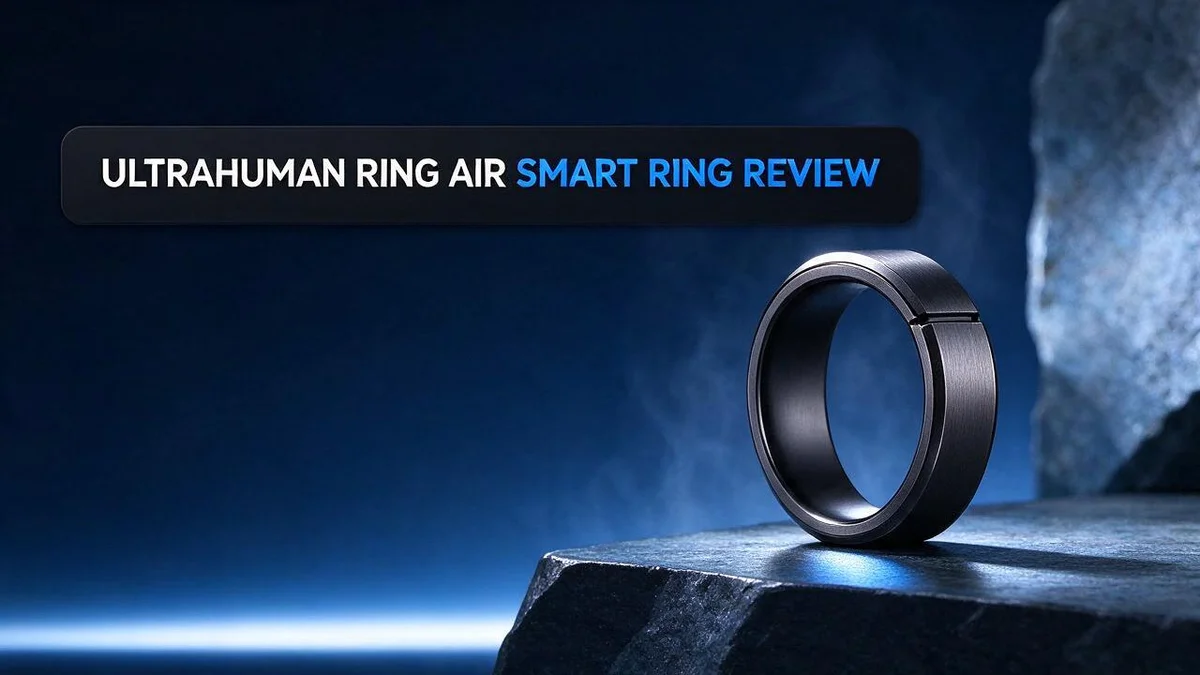
Its titanium body weighs only a few grams. You get insights on sleep, recovery, movement, and stress. Many people also like that no subscription is needed to see useful health data.
Reviewers often compare it with the Apple Watch. One tester found heart rate and blood oxygen readings matched closely. Some say sleep tracking runs a little low.
If you want a clear answer before you decide, this review covers what works, what does not, and who this ring suits best. Keep reading to see if it fits your daily routine.
In a Nutshell
-
No subscription needed: You get core health insights without signing up for a plan. Everything you need sits right on the ring.
-
Week-long battery life: The ring keeps running for about a week between charges. Less charging means less hassle at night.
-
Six days of stored data: The ring holds up to six days of readings. Short breaks from your phone will not cause you to lose information.
-
Open developer API: Developers can build their own tools using the ring’s data. This appeals to tech fans who love to experiment.
-
Heart rate and oxygen readings: One reviewer found these numbers matched a leading smartwatch. This helps people who want dependable daily stats.
-
Sleep tracking caveat: Some users report that the ring may under-track sleep. Compare the results with how you feel each morning.
Health Tracking Accuracy

- NO MONTHLY SUBSCRIPTION: 50+ health metrics from research-grade sensors, all in the free Ultrahuman app. No...
- UP TO 15 DAYS ON ONE CHARGE: Wear it for two weeks between charges. The included PRO Charger case tops the ring up...
Last update on 2026-11-22 / Affiliate links / Images from Amazon Product Advertising API
Accuracy matters most when you rely on daily health numbers. Many buyers want to know if the readings can be trusted. This section explains what the ring measures well and where it may fall short.
The ring uses sensors on the inside of the finger to read pulse and blood flow. Finger placement often gives a steady signal while you rest. Movement during the day can change the signal, though.
Sleep data is the area to watch closely. Sleep stages are estimated from movement and heart signals. Estimates like these rarely match a sleep lab perfectly, so treat them as helpful guides.
Movement tracking works well for everyday activity. Steps and general motion show up clearly. Fast workouts may give less precise calorie numbers, so use those figures as rough estimates.
Stress and recovery scores take a different approach. They combine heart signals with activity and rest. Look at trends across several weeks instead of single days.
Fit plays a large role in accuracy. A loose ring can shift and create gaps in the readings. Wear it snugly on the same finger each day for steadier data.
Charging habits can also affect the results. Keep the ring on the charger until it is full to avoid missing data. Let it cool after charging before you put it back on.
Readings can vary from night to night. One odd result does not mean the ring failed. Look for steady patterns across a full week before you draw conclusions.
Comparing the ring with another trusted device can build confidence. Check your resting heart rate against a watch or a manual pulse count. When several tools show similar patterns, the data becomes easier to believe.
Who should care most about accuracy? People who track sleep for medical reasons should speak with a doctor first. Fitness fans and athletes may enjoy the trends without needing perfect numbers.
Overall, the ring offers useful health signals for daily life. Treat it as a guide rather than a diagnosis. Honest expectations lead to a happier experience.
Design, Fit and Weight
The Ultrahuman Ring Air feels light on the hand. Most people forget they wear it after a day or two. Its slim shape suits people who dislike bulky gadgets.
Sizing matters more than most buyers expect. A ring that fits well stays put during sleep and workouts. You should measure your finger before you order.
Measure at the end of the day. Fingers often swell with heat, salt, or activity. A reading taken in the evening gives a safer size.
Many shoppers use a paper strip or an existing ring to check size. Compare the result with the sizing chart on the official website. Then choose the size that slides on with light resistance.
Finger choice is a personal decision. Some people wear the ring on the ring finger of their dominant hand. Others prefer the hand they use less because it bumps into objects less often.
Comfort during long wear is a key test. The ring has a slim profile that sits flat against the skin. Most people do not notice it while typing or sleeping.
Travel days need extra care. Hot flights and long walks can swell the fingers. Keep a spare sizing guide in your bag for quick checks.
Daily life matters too. Titanium resists wear from everyday tasks. Still, remove it before heavy lifting or harsh cleaning. Gentle care keeps the finish looking fresh over time.
Weight feels different for each person. The ring rarely adds pressure, but some users notice it at first. A short adjustment period helps.
Who benefits most from this design? Side sleepers and people with thin fingers often like the low profile. Heavy manual workers may want a trial fit before buying.
Matching the ring to your style. Many people like the plain look. It pairs well with work clothes, gym gear, and formal outfits.
Overall, the design favors comfort and discretion. A correct size makes the biggest difference for accurate readings and daily wear. Take a few days to settle in before judging the result.
Battery and Charging
Keeping the ring charged is a small task that protects your daily data. Good habits make the process easy and keep your readings complete.
Charge during a calm part of the day. Many people place the ring on the charger while they shower, work, or read. This quick break keeps the ring ready for the next night.
The ring and charger can feel warm while charging. This warmth is normal, so there is no need to panic. Still, avoid covering the charger with a pillow or blanket because heat builds up without airflow.
Choose a hard, flat surface for the charger. Keep it away from direct sunlight and hot car dashboards. A cool spot helps the charger last longer.
Check the battery level before bed. Open the app and look at the battery icon. If the charge looks low, give the ring a short charge before you sleep.
Make charging part of your bedtime routine. Pair it with plugging in your phone or setting an alarm. Linking two tasks makes it easier to remember.
Travel needs a little extra planning. Pack the charger in your hand luggage so you never miss a charge. Use a plug that matches the local outlet type.
If you cross several time zones, check the battery before you leave. A full charge at the start of the trip helps you track sleep from the first night.
Some owners also prefer a fixed charging spot at home. A set place makes the habit feel automatic, so you rarely forget.
Clean the charging contacts with a soft, dry cloth. Dust and skin oil can block a clean connection. Clean contacts help the ring charge more smoothly.
Watch for changes over time. If charging takes much longer than before, or the battery drains fast, reach out to support. Early help can prevent bigger problems.
A ring with power all night can capture the full sleep period. This matters because complete readings give you a clearer picture of your rest.
Top 3 Alternatives
Smart rings offer a discreet way to track health every day. These three options stand out as strong alternatives.
Oura Ring 4

- ACCURACY - SMART SENSING - Oura tracks over 50 health metrics, including sleep, activity, stress, heart health, and...
- ACCURATE SIZING ESSENTIAL - Oura Ring 4 uses unique sizing different from standard jewelry rings; use the Oura Ring...
Last update on 2026-11-22 / Affiliate links / Images from Amazon Product Advertising API
The Oura Ring 4 is a favorite for people who care about sleep. It tracks sleep stages, resting heart rate, and body temperature.
Its slim titanium design feels light, even during long workdays. Many users enjoy the daily readiness score because it helps them plan their activity. The ring works with a companion app on both iPhone and Android.
RingConn Gen 2

- [Sleep Breathing Insights] RingConn Gen 2 Smart Ring supports sleep health with advanced technology. Developed with...
- [Size Before You Buy] RingConn Gen 2 Smart Ring uses unique sizing standards, different from U.S. and other health...
Last update on 2026-11-22 / Affiliate links / Images from Amazon Product Advertising API
The RingConn Gen 2 focuses on health insights and long battery life. It tracks sleep, heart rate, and overnight trends.
It also offers sleep apnea monitoring features. Many owners charge it far less often than a typical smartwatch. This makes it a good fit for people who want useful data without a bulky wearable.
Samsung Galaxy Ring

- SIZE BEFORE YOU BUY: Galaxy Ring sizes differ from standard ring sizes; Purchase the Samsung Galaxy Ring Sizing Kit...
- ANDROID ONLY: Galaxy Ring is compatible with Android smartphones.
Last update on 2026-11-22 / Affiliate links / Images from Amazon Product Advertising API
The Samsung Galaxy Ring fits well into the Samsung health system. It measures heart rate, blood oxygen, and sleep quality.
Its compact, lightweight body makes it easy to wear during workouts and rest. It connects to Android phones through the Samsung Health app. Choose this ring if you already use Galaxy devices.
Each ring suits a different lifestyle. Compare sleep tracking, battery life, and phone compatibility before you decide which one fits your goals best.
App Experience and Data Insights
The app is where your ring data comes to life. Open it each morning to see last night’s results. Everything sits in one place.
The home screen shows key scores at a glance. Tap any card to see more detail. Most people find the layout easy to read.
Trend views often tell a better story than single numbers. Over several days, patterns become clear. Look for steady shifts rather than one odd reading.
The ring stores up to six days of data. Sync it with your phone often. This keeps your history complete and current.
Notifications can nudge you toward healthier routines. Set reminders for bedtime or movement breaks. Turn off any alerts you do not need.
Your insights do not depend on a monthly plan. You keep full access to your data at all times. Users who enjoy coding can also use the open developer API to build custom tools.
Privacy deserves attention too. Review app permissions on your phone. Check which health apps can read your information.
Good data needs good habits. Write down routines that may affect your scores, such as late meals or alcohol. Over time, these notes help explain sudden changes.
Sharing data with a coach or doctor can help. Bring screenshots of your trends to an appointment. This gives your provider a clear picture of your week.
Pay attention to how the app labels each score. Labels can differ between companies. Read the short description under each card to know what it measures.
Some people like to compare days side by side. Scroll back through your history to spot patterns. Weekends often look different from workdays.
Keep your app updated for the latest features. Updates can improve the layout and performance. Check the app store once a month.
Spend about ten minutes each week reviewing your trends. Small, regular checks turn numbers into useful guidance. Your ring becomes a helpful daily partner.
Enjoy the process. Each week gives you more insight into your own body.
Pros and Cons
Pros
- Sleep timing matched one reviewer’s own observations.
- Heart rate and blood oxygen readings lined up with Apple Watch in one review.
- It feels light enough that you can forget you wear it.
- Open developer access lets tech fans build their own tools.
- Simple tracking suits people who dislike wrist wearables.
Cons
- Sleep tracking may under-count your total sleep time.
- Reviewers often measure it against Oura as the benchmark.
- Smartwatches offer more features than a ring can.
- Results may vary since only a few reviewers have tested it so far.
Who Should Buy It
This ring suits some people better than others. Read the groups below and see where you fit.
Night owls and shift workers can benefit from sleep timing data. Irregular schedules make patterns hard to spot, so a clear daily log helps.
Busy parents with unpredictable days may appreciate a small device. It can stay on through chores, errands, and school runs without getting in the way.
People who already wear rings will feel right at home. The sleek titanium look fits easily into everyday style.
Anyone who wants a gentle health check may enjoy simple daily signals. You do not need to read complex charts to get started. Simple screens and clear summaries make the start easy.
Desk workers who sit for long hours can use the movement data. Simple cues may help them stand up more often.
Beginners who feel overwhelmed by numbers may prefer this route. Fewer metrics can make the first few months less confusing.
Light sleepers who watch rest closely may enjoy tracking their nights. Weekly patterns can show what helps them drift off more easily.
Frequent travelers with varied sleep may find the data useful. Keeping a steady log across new beds shows how trips affect rest.
Curious readers who enjoy self tests will find plenty to try. Change one habit, like evening walks, and watch the trend shift.
Gift shoppers looking for a thoughtful present may find this idea appealing. A health focused gift shows care without feeling too personal.
Serious athletes who need deep training analysis should look at other tools. Workout focused devices may fit their goals better.
A quick self check helps. Ask how often you will wear it. Also ask whether you enjoy looking at daily data. Honest answers make the choice easier.
Skip this ring if you want a built in screen or detailed workout charts. Think about your daily habits first. Then decide if the ring matches your life and your goals.
Final Verdict
The Ultrahuman Ring Air makes a strong case for people who want simple health signals without a wrist screen. It works quietly in the background. Most days, you barely notice it.
Still, the verdict depends on your goals. Think about what you want to measure. If you need detailed workout metrics or phone alerts for every message, a smartwatch may serve you better.
The warm charging habit deserves a closer look. Charge the ring at night when you rest. Ring and charger heat is minor for some owners, but it can bother others who sleep close to a charger.
Keep expectations realistic. Only a few reviewers have tested the device so far. Their early results look promising, yet longer studies would give a fuller picture.
Wait if you need medical guidance. A ring offers signals, not diagnoses. Talk with a doctor about any health concern. Bring your notes to the visit so you can explain what you noticed.
Try a trial of two weeks before you commit to a long habit. Wear the ring every night and compare its readings with how you actually feel. Write down your mood, energy, and sleep quality each morning.
Expect a learning curve during the first week. The app feels new, and the numbers may seem confusing at first. Give yourself time to adjust.
This approach helps you spot patterns. It also shows whether the ring matches your daily life. Patterns matter more than single scores. A dip in one night means little. A repeated dip over several weeks tells a clearer story.
Ask yourself a few questions before you buy. Do you want a discreet tracker? Do you enjoy building your own tools? Do you prefer fewer notifications? If most answers point to yes, this ring could fit well.
In short, the Ultrahuman Ring Air offers a calm, focused way to learn about your body. It rewards people who stay consistent. It frustrates people who want every feature under one roof. Choose it for clarity, not for everything.
Frequently Asked Questions
Which finger should I wear it on?
Most people wear it on the ring finger of the hand they use less. Pick a finger that stays still while you sleep and type. Try each hand for a few days to see which one feels more comfortable.
How do I find the right size?
Wrap a thin strip of paper around the base of your finger. Mark where the ends overlap, then measure that length. Check the sizing guide on the official site to match your number. The ring should slide on with light resistance.
What should I do if a reading looks strange?
Look at trends across several nights instead of one result. A single odd number often comes from a loose fit or a hard workout. Keep short notes about how you felt that day, so you can compare your notes with the data.
Should I wear it during exercise?
Many people keep it on during light activity, but take it off if it feels tight. Fingers can swell during workouts or in hot weather. Check the fit each morning, and adjust your wear habits if the ring leaves marks or feels uncomfortable.

Hi, I’m Simmy — the founder and voice behind AI Gadgets Insight. I’m a tech enthusiast who loves exploring the latest AI gadgets, smart devices, and innovative tech products. I started this blog to help people make smarter tech choices with honest reviews, easy-to-follow comparisons, and practical buying guides.