Amazfit Balance 2 AI Smartwatch Review: Should You Try This?
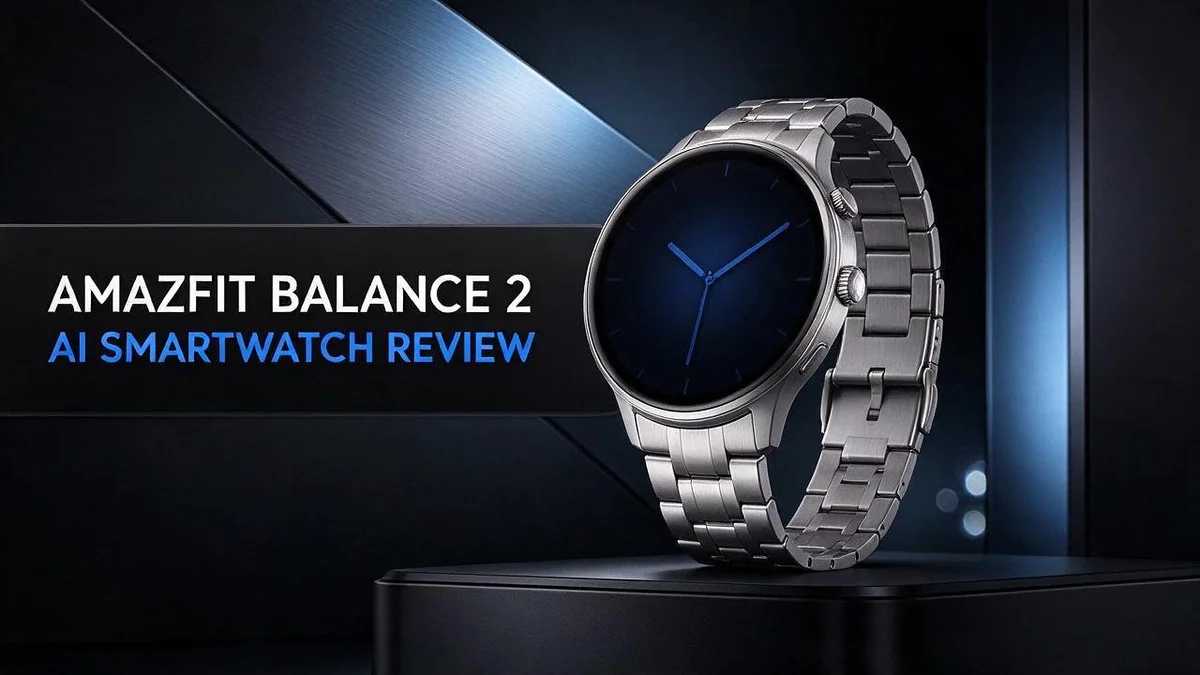
Looking for a smartwatch that lasts longer than a weekend? The Amazfit Balance 2 might be the answer you need. It packs a bright 1.5 inch AMOLED screen and a sapphire glass face.
Many buyers want a watch that feels good all day. This model looks premium and sits comfortably on the wrist. Its screen also looks beautiful in person.
Fitness fans will find plenty to love. The watch offers over 180 sports modes, including HYROX, golf, and ski maps. Strong GPS performance also stands out in reviews.
Still, no watch is perfect. Some users say the screen is hard to read in direct sunlight. In this review, we will cover the good and the bad so you can decide.
In a Nutshell
- Bright screen: The 1.5 inch AMOLED display looks beautiful and feels premium in your hand. Sapphire glass adds extra protection against scratches during daily wear.
- Sports and GPS: You get over 180 sports modes, including HYROX, golf, and ski maps. Reviewers also praise the strong GPS performance, so your routes stay accurate on outdoor runs.
- Free AI food logging: The app tracks meals with AI. No subscription is needed to use these features, which keeps things simple for everyday tracking.
- Handy extras: One reviewer enjoyed the payment and assistant features. These tools make quick tasks easier when you leave your phone behind, and they work well for short everyday moments.
- Tricky conditions: The screen can be hard to read in direct sunlight. Heart rate may lag during intense exercise, and REM sleep tracking can feel unreliable.
- Phone and software gaps: Android users cannot reply to notifications from the watch. One user also criticized the software for failing some basic tasks, so expect a few rough edges.
Design and Display

- GRADE 5 TITANIUM BUILD: This premium smartwatch balances strength with restraint. Formed from Grade 5 titanium...
- ZEPP APP INTELLIGENCE: Connect training, sleep, nutrition, and daily stress into a continuous view of your...

Last update on 2026-11-04 / Affiliate links / Images from Amazon Product Advertising API
A watch you wear every day should look good. The Amazfit Balance 2 offers a polished style that works in many settings. It feels more premium than a typical sports gadget.
The front centers on a 1.5 inch AMOLED screen. AMOLED panels show rich colors and deep blacks. Watch faces and workout stats look sharp and easy to scan with one quick glance.
A layer of sapphire glass protects the display. This tough cover resists scratches better than many common glass types. Keys, gym bags, and kitchen counters can mark a watch, so this protection helps the face stay clean over time.
Comfort matters just as much as looks. You may wear this watch during workouts, long workdays, and overnight sleep checks. A watch that stays comfortable through all of that becomes a habit, not a chore.
Think about where you spend most of your time. If you often train outdoors, the display deserves extra thought. Strong sunlight can make the screen harder to read, so you might tilt your wrist or raise the brightness to see your stats clearly.
Clear layouts also make daily use easier. You can check the time, steps, and heart rate with a simple glance. Less searching through menus keeps your focus on the activity itself.
Many people also judge a watch by how it looks with different clothes. The clean face blends well with suits, athletic wear, and weekend jeans. This flexibility makes the watch easy to wear every day.
Who benefits most from this design? People who want one watch for the office, the gym, and evening plans often enjoy this balance. Anyone who prefers a large, flashy face may want to look at other options.
The design leans toward everyday wear. A bright display, durable glass, and a comfortable feel work together well. Keep the outdoor glare limit in mind, and this watch can suit a busy routine.
Battery Life
Charging less often means fewer routines to remember. Most people plug in a phone every night, so a watch that goes days without a cable feels like a relief. The manufacturer claims up to 21 days of battery life, and one reviewer reported two to three weeks of everyday use.
Heavy workouts change the math. Sports tracking uses more power, so the battery drops faster during long sessions. One reviewer logged about 33 hours of sports use, which helps when you plan marathon training or a long hiking trip.
Your weekly pattern decides how often you charge. If you train hard on weekends, plug in on Sunday night. If you mostly walk and wear it for sleep tracking, you may forget the charger for weeks.
Strong GPS performance is a real plus for runners and cyclists. Continuous satellite tracking takes extra energy, so the battery shrinks faster on long routes. Turn off features you never use to stretch each charge.
Sleep tracking also draws some power. Wearing the watch overnight uses some battery, but a full charge still covers many nights. Check the battery level in the app before a trip so you never get caught by surprise.
Screen brightness is another lever you control. Lower brightness saves energy, though it may make the display harder to read outdoors. Find a balance that suits your daily routine.
Plan for the unexpected. Long days, sudden trips, and cold weather can all change how fast power drops. Keep the charging cable in your bag, and you will never feel stuck without your watch.
A simple habit helps most. Pick one day each week for a quick battery check. Note how many days the watch lasts with your normal workouts.
Battery life suits frequent travelers, shift workers, and anyone who dislikes nightly charging. Results depend on settings and habits. Test the watch during your first week to learn your real pattern.
Sports Modes and GPS
Start with the right mode every time. Choosing the correct mode matters more than many people think. Each activity shows different data on screen, so a clear choice keeps your results useful.
Open the mode list before you leave home. Scroll through the options. Pick the one that fits your session best.
Mixed workouts need a little planning. Some sessions switch between running, strength work, and rest. Pick the mode for your main effort. Check the stats after you finish.
GPS works best with a clear view of the sky. Tall buildings, dense trees, and deep valleys can slow the signal. Give the watch a minute to find your position before you move.
Look at the satellite status before a long run or hike. A steady signal helps your route and distance look accurate. Wait a little longer if the signal still looks weak.
Carry your phone on remote routes. Safety comes first when you train far from help. A charged phone gives you a backup plan.
Warm up before hard work. Walk or jog gently for five minutes. This gives your heart rate time to settle. It also helps the sensor read more steadily.
Indoor sessions work differently. Many indoor modes often rely on motion sensors instead of satellites. Distance numbers may vary, so treat them as a rough guide.
Heart rate can trail during hard efforts. Fast intervals may cause the reading to lag behind your real effort. Ease off a little when the numbers jump or drop suddenly.
Use the watch as a guide, not a judge. Your body also tells you how hard you work. Blend the numbers with how you feel during each session.
Review your workout summary after each session. Look at pace, distance, and heart rate trends. Small notes help you plan smarter training weeks.
Good habits make sports tracking more useful. Choose modes carefully, wait for a strong signal, and read your stats with care. Your training becomes clearer over time.
Top 3 Alternatives
Garmin Venu 3

- Designed with a bright, colorful display, get a more complete picture of your health, thanks to battery life of up...
- Body Battery energy monitoring helps you understand when you’re charged up or need to rest with even more...
Last update on 2026-11-03 / Affiliate links / Images from Amazon Product Advertising API
If you want a watch that works like a personal fitness coach, the Garmin Venu 3 is a strong pick. It has a bright AMOLED display that stays easy to read outdoors. It tracks sleep, stress, and body battery throughout the day. The battery can last several days, so you can wear it all week without daily charging.
Samsung Galaxy Watch 7

- PUSH PAST YESTERDAY: Looking for a great way to bring out your personal best every day. Challenge yourself to excel...
- START YOUR DAY WITH YOUR ENERGY SCORE: Know how ready you are to take on the day using your personalized Energy...
Last update on 2026-11-03 / Affiliate links / Images from Amazon Product Advertising API
Do you use an Android phone? Then the Samsung Galaxy Watch 7 may fit your routine well. It runs Wear OS and connects smoothly with Samsung phones. You get heart rate monitoring, sleep coaching, and a large library of apps from the watch store. The sharp touch screen makes it simple to check messages and notifications.
Fitbit Charge 6

- Fitbit Charge 6 tracks key metrics from calories and Active Zone Minutes to Daily Readiness and sleep; move more...
- See your heart rate in real time: Just link your Charge 6 to compatible exercise machines, like treadmills...
Last update on 2026-11-03 / Affiliate links / Images from Amazon Product Advertising API
Want a simple tracker that focuses on health? The Fitbit Charge 6 is a great choice. It counts your steps, monitors your heart rate, and tracks your sleep every night. It also includes built-in GPS, so you can record runs without carrying your phone. Its battery lasts about a week, which makes it easy to wear every day.
Sleep and Heart Rate Tracking
Sleep tracking works best as a pattern tool. One rough night means little. A full week of data shows where your rest is heading.
The watch records time in light, deep, and REM sleep. Treat the REM number with care, since it can miss the mark. Use the stages as clues rather than final answers.
Resting heart rate offers a helpful daily signal. When your resting number climbs above your normal range, your body may need extra rest. Stress, a late meal, or a hard workout can all push it up.
Check the morning trend before you plan a hard session. A lower sleep score paired with a higher resting heart rate suggests an easier day. This habit can help you avoid burnout.
Wear fit affects the readings. Keep the watch snug enough for the sensor to stay in contact with your skin. Loose straps let in light and movement, which can blur the overnight numbers.
Try a short wind down routine before bed. Dim the lights and step away from screens an hour earlier. Over several nights, the data can show whether your changes help.
Sleep data also helps you spot habits that hurt rest. Caffeine late in the day or a cool room can change your night. Adjust one habit at a time so you can see what works.
Compare the numbers with how you feel. A watch cannot measure mood or muscle soreness. Jot down a quick note each morning about energy levels. Over time, you can spot links between sleep and your mood.
Recovery data adds another useful layer. Watch how quickly your heart rate settles after a workout ends. A faster drop often signals better fitness over time.
Combine sleep and heart data for the clearest picture. Review two weeks of results together. Then adjust bedtime, training load, or rest days based on what you notice.
Speak with a doctor if you notice ongoing sleep problems. The watch offers guidance, not a medical diagnosis. Professional advice always matters most for health concerns.
Pros and Cons
Pros
– The screen looks beautiful and gives the watch a premium feel.
– It stays comfortable enough to wear all day and night.
– The app offers a wide range of activity choices for different sports.
– Payment and voice assistant tools add everyday convenience.
– AI food logging is built right into the app.
Cons
– The screen can be hard to read in bright sunlight.
– REM sleep readings may not always be accurate.
– Android users cannot reply to notifications from the watch.
– Some users say the software struggles with basic tasks.
Who Should Buy It
This watch suits people who want one device for almost every part of the day. Picture someone who hits the gym before work, sits in meetings all afternoon, and then heads out to dinner. The watch looks polished enough for the office and still handles a tough workout.
Golfers and skiers may find it especially useful. Dedicated course and slope maps help players track their round or their run. For many weekend hobbies, this model can replace a separate sports gadget.
Hybrid athletes who mix strength work, running, and endurance events also make a strong match. The sports list covers many training styles. Switching between sessions feels simple when everything lives in one place.
Frequent travelers form another good group. A long lasting battery means fewer chargers in your suitcase. You can also keep training on the road without hunting for a power outlet every evening.
Shoppers who compare brands should look at the full field. Samsung, Garmin, COROS, Polar, Suunto, and Huawei all offer strong options. Garmin fans often focus on deep training metrics. Samsung fans may care more about phone connections. Each brand has its own strengths, so compare the features you use most.
Think about your daily habits before you decide. If you wear your watch mostly outdoors in strong sunshine, test the screen in person first. If you rely on exact sleep stages, you may want to look at other models.
People who value comfort, style, and a wide sports list will likely feel happy with this watch. It fits well into a busy schedule. It also works for people who like one clear app for their health goals.
Those who need perfect sleep data or full Android notification replies should look elsewhere. Writing down the features you use each week can make your choice much easier. Then you can see whether this watch fits your life.
Final Verdict
Let’s wrap up our look at the Amazfit Balance 2. This watch suits people who want one device for almost every part of the day.
Battery life stands out most. Many owners get two to three weeks between charges. That freedom makes daily life much simpler.
The screen looks beautiful and the build feels premium. You can wear it from early morning workouts to late dinners. It stays comfortable all day long.
The sports list is wide. With more than 180 modes, you can track HYROX sessions, golf rounds, and ski days. That range covers a lot of ground.
Be honest about the weak spots. The screen can be hard to read in bright sunlight. Heart rate can lag during hard intervals.
REM sleep data may not always be accurate. Keep that in mind if sleep tracking matters most to you.
Android users should also know that notification replies are not available. Some users say the software struggles with basic tasks.
Battery life also cuts down on stress. You spend less time searching for a charger. You can focus on training, golf, or a ski weekend instead.
Sleep tracking and recovery tools add extra insight. Use them as guides rather than strict rules. Your own feelings still matter most.
Shopping around still matters. Samsung Galaxy Watch Ultra 2, Garmin, COROS, Polar, Suunto, and Huawei all compete for your attention. Compare the features that match your routine.
Golfers, skiers, hybrid athletes, and frequent travelers will likely get the most from this watch. Each group gets solid tools for their routine.
Overall, the Amazfit Balance 2 earns a solid recommendation. Its battery life, comfort, and sports tracking outweigh its flaws for most people. It works well for daily wear, training, and travel.
Our final take: If sunlight readability and Android replies are dealbreakers, look elsewhere. Otherwise, this watch deserves a place on your wrist.
Frequently Asked Questions
Does the Amazfit Balance 2 work for HYROX training?
Yes, it does. The watch includes HYROX mode among its 180+ sports modes. This makes it a handy pick for race prep. Interval timers and pace data also help during training blocks.
Can I track meals without a subscription?
Yes, you can. The app is free and needs no subscription to log food with AI. Log your meals quickly and review your daily habits. Many people find this easier than writing down every meal by hand.
How good is the GPS for outdoor runs?
Reviewers describe the GPS as strong. This helps on trail runs, city routes, and long hikes. You can leave your phone at home and still track your distance.
Should I trust the sleep data for deep insights?
Use sleep data for trends rather than exact numbers. REM readings may not always be accurate. Check weekly patterns to see how your rest changes over time. Sleep tracking still shows how your schedule affects you.
Will heart rate data help during hard intervals?
Be careful here. Heart rate can lag during intense exercise, so readings may trail your real effort. A chest strap can give sharper numbers during sprints. Pair the watch with a second device for your toughest workouts.

Hi, I’m Simmy — the founder and voice behind AI Gadgets Insight. I’m a tech enthusiast who loves exploring the latest AI gadgets, smart devices, and innovative tech products. I started this blog to help people make smarter tech choices with honest reviews, easy-to-follow comparisons, and practical buying guides.