
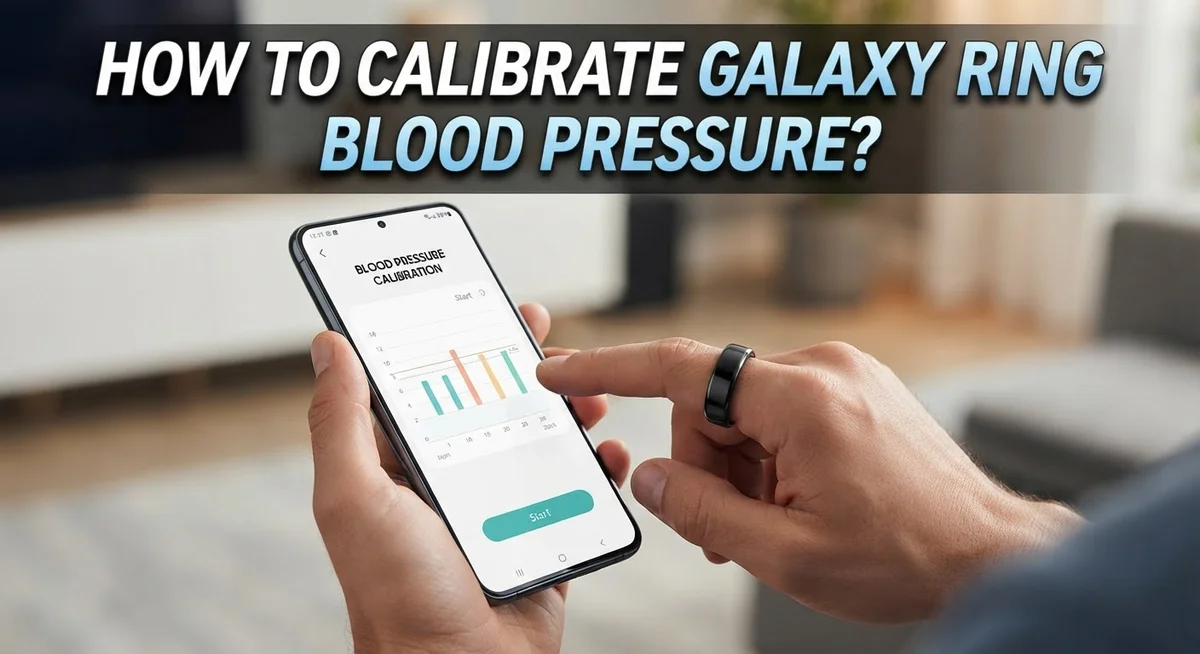
How to Calibrate Galaxy Ring Blood Pressure?
Your Galaxy Ring does more than track your steps and sleep. It also checks your blood pressure right from your finger.
But there is a catch. This smart feature only works well if you calibrate it the right way.
Calibration connects your ring’s readings to a trusted blood pressure source. This step teaches the sensor what your normal range looks like. Without it, your numbers may not be accurate.
The good news? Calibrating your Galaxy Ring is simple. You just need the Samsung Health Monitor app and a few minutes of your time.
In this guide, we will walk you through every step. You will learn how to open the app, find the blood pressure tool, and complete your first calibration.
In a Nutshell
- Open the Samsung Health Monitor app on your paired phone. This is where all calibration happens. Your Galaxy Ring cannot calibrate without it.
- Tap “Blood Pressure” at the bottom of the screen. Then select “Calibrate the watch”. Follow the on-screen prompts carefully.
- Calibration is mandatory for accurate readings. Skipping this step means your numbers will not reflect true blood pressure levels.
- You must recalibrate every 28 days. Waiting past this window causes your ring to lose accuracy.
- To recalibrate, go to Blood Pressure History. Tap the More menu and select “Recalibrate”. This works anytime before your 28 day limit expires.
- Always check your ring’s fit before measuring. A loose or improper fit leads to inconsistent results.
- Keep your measurement technique steady each time. Small changes in positioning can throw off your readings.
What Is Galaxy Ring Blood Pressure Calibration and Why It Matters
Galaxy Ring blood pressure calibration is the process of syncing your ring’s sensors with a verified blood pressure reading. This connection ensures your device gives you accurate health data you can trust.
Think of calibration like zeroing a scale before you weigh yourself. Your ring measures pressure changes, but it needs a reference point to translate those signals into actual numbers. Without calibration, your readings might be off by several points.
Why does this matter? Accurate blood pressure data helps you and your doctor make better health decisions. If your ring shows incorrect numbers, you might miss warning signs or take unnecessary steps. Calibration takes just a few minutes but protects your health long term.
Your Galaxy Ring works with the Samsung Health Monitor app on your phone. The app guides you through a simple process where you’ll follow on screen instructions. The calibration uses your phone’s sensors as the reference point during setup.
The timing is important too. You must recalibrate every 28 days to keep readings reliable. This 28 day window gives your ring enough time to drift slightly from its original accuracy. After that period passes, new readings become less trustworthy.
Many people skip recalibration or forget about the 28 day deadline. This is the most common mistake that leads to inaccurate data. Others rush through calibration without proper positioning, which also causes errors.
The good news? Once you understand the process, calibration becomes routine. You can recalibrate anytime before the 28 days expire. Keeping your ring properly fitted and using consistent measurement technique during calibration prevents most problems. This simple habit keeps your health data reliable and useful.
What You Need Before You Start
Before you start calibrating your Galaxy Ring, you need a few essential items on hand. First, make sure your phone is paired with your Galaxy Ring through the Samsung Health Monitor app. Your phone must have Bluetooth enabled and stay within range during the entire calibration process.
You will also need a reliable blood pressure reference. This could be a manual blood pressure cuff from a pharmacy, a doctor’s office reading, or a validated home blood pressure monitor. The reference reading should be taken within a few minutes of your Galaxy Ring calibration for the most accurate sync.
Ensure your Galaxy Ring fits properly on your finger. The ring should sit snugly but not too tight. A loose or tight fit can affect sensor contact and lead to inaccurate readings. Check that the sensors on the inside of the ring are clean and make good contact with your skin.
Have your Samsung Health Monitor app updated to the latest version. Outdated apps may cause calibration issues or glitches during the process. You can check for updates in your phone’s app store.
Prepare a calm environment for calibration. Sit down for at least five minutes before starting. Avoid caffeine, exercise, or stress right before calibration. Keep your arm relaxed and at heart level during the process.
Finally, gather your calibration reference reading information. You will need to input this data into the Samsung Health Monitor app during calibration. Write down the systolic and diastolic numbers from your reference measurement so you have them ready.
Step-by-Step: How to Calibrate Your Galaxy Ring for Blood Pressure
The calibration process for your Galaxy Ring involves connecting your ring to a verified blood pressure measurement. This ensures your ring’s sensors read accurately going forward.
Start by opening the Samsung Health Monitor app on your paired phone. Look for the “Blood Pressure” option at the bottom of your screen and tap it. Next, find and tap “Calibrate the watch” to begin the process.
The app will show you on screen prompts and instructions. Follow each step carefully. Your phone will guide you through taking a reference reading and linking it to your ring’s data. This connection is what makes your ring’s future readings reliable.
You need to have a trusted blood pressure measurement ready during calibration. This reference reading comes from a verified source like a medical device or healthcare provider. Your ring compares its sensor data to this reference point.
Make sure your Galaxy Ring sits properly on your finger before you start. A loose or tight fit can affect the accuracy of your calibration. Position your hand at heart level during the process for best results.
The entire calibration typically takes just a few minutes. Once complete, your ring will use this calibration data for all future blood pressure readings.
Remember that calibration is not a one time task. You must recalibrate every 28 days to keep your readings accurate. Mark your calendar so you don’t miss this deadline. If you skip recalibration beyond the 28 day window, your ring’s readings may become unreliable.
To recalibrate later, return to the Blood Pressure History section in your app. Tap the menu options and select “Recalibrate” to repeat the process. This keeps your Galaxy Ring functioning as a trustworthy health monitoring tool.
How to Recalibrate Every 28 Days
Your Galaxy Ring needs recalibration every 28 days to stay accurate. This regular schedule keeps your blood pressure readings reliable and trustworthy for your health decisions.
Start by opening the Samsung Health Monitor app on your paired phone. Look at the bottom of the screen and tap “Blood Pressure.” This takes you to your blood pressure tracking area where you can manage all your readings.
Next, find your Blood Pressure History. Tap the “More” menu button, which typically appears as three dots or lines. From this menu, select “Recalibrate” to begin your 28 day recalibration process.
Follow the on screen prompts carefully. The app will guide you through each step. Make sure your Galaxy Ring sits properly on your finger before you start. A loose or tight fit can affect measurement accuracy.
You will need a trusted blood pressure reference reading during recalibration. This can come from a manual cuff at a pharmacy, doctor’s office, or your own verified device. Have this reading ready before you begin.
The recalibration process only takes a few minutes. Stay calm and still while the app completes the calibration. Avoid talking or moving your hand during measurement.
Mark your calendar for your next recalibration date. You can recalibrate anytime before the 28 day window closes. Don’t wait until the last moment. Setting phone reminders helps you stay on schedule.
Many people forget this important step. Skipping recalibration beyond 28 days reduces accuracy. Your readings may become less reliable without regular recalibration.
Keep your Samsung Health Monitor app updated to the latest version. Updates often improve calibration accuracy and app performance. Regular maintenance of your Galaxy Ring ensures consistent, dependable blood pressure tracking.
Tips for Accurate Calibration and Readings
Getting accurate blood pressure readings from your Galaxy Ring depends on proper calibration technique. Start with the right environment. Choose a quiet space where you feel relaxed. Sit down for at least five minutes before you measure. Your arm should rest at heart level on a flat surface.
Positioning matters significantly. Wear your Galaxy Ring on your index or middle finger. The ring should fit snugly but not too tight. You should be able to slide one finger under it. Poor fit causes readings that drift from your actual blood pressure.
Take your reference measurement correctly. Use a validated blood pressure monitor on your opposite arm. Wait two minutes between measurements. Write down both numbers from your reference device. This becomes your calibration baseline in the Samsung Health Monitor app.
Stay still during the process. Do not talk or move while the app guides you through calibration steps. Keep your hand steady and relaxed. The ring needs to maintain consistent contact with your skin.
Timing affects accuracy too. Calibrate at the same time each day if possible. Avoid measuring right after exercise, caffeine, or stress. Your body needs time to settle into a normal state.
Double check your technique each time. Many people rush through calibration steps. Read every on screen instruction carefully. Confirm that your reference reading entered correctly into the app.
Keep a simple log of your calibration dates. Mark your calendar 28 days ahead. Consistent calibration habits ensure your Galaxy Ring continues giving you reliable blood pressure data. Small details in your technique directly impact how trustworthy your readings become over time.
Common Mistakes to Avoid During Calibration
Skipping your calibration window is the most common error people make. Your Galaxy Ring loses accuracy after 28 days without recalibration. Many users forget to mark their calendar or set reminders. This mistake directly impacts your blood pressure readings.
Improper ring fit during calibration causes major problems. Your ring must sit snugly on your finger, not loose or too tight. A loose ring shifts position and gives false readings. Check that your ring touches your skin evenly before you start the process.
Inconsistent hand positioning ruins calibration accuracy. Some people calibrate with their arm raised, then measure with it lowered. Your arm should stay at heart level during both calibration and regular measurements. Keep your hand relaxed and still throughout the entire process.
Using an inaccurate reference reading is another frequent mistake. Your trusted blood pressure measurement must come from a verified device or medical professional. Do not use old readings from weeks ago. Get a fresh measurement taken on the same day as your calibration.
Moving or talking during calibration disrupts the process. Stay completely still and silent while the app guides you. Even small movements affect the data your ring collects. Wait until you finish before you speak or adjust your position.
Ignoring app updates prevents proper calibration. Keep your Samsung Health Monitor app current with the latest version. Outdated apps may have calibration bugs or compatibility issues. Check for updates regularly in your app store.
Finally, rushing through on screen prompts causes mistakes. Read each instruction carefully and follow them exactly. Take your time with each step. Hurrying leads to skipped steps and poor calibration results that hurt your readings long term.
Troubleshooting Calibration Issues
When your Galaxy Ring blood pressure calibration isn’t working properly, a few simple fixes can help. Start by checking your app version first. An outdated Samsung Health Monitor app often causes calibration failures. Open your phone’s app store and update to the latest version.
Next, verify your ring fit. The ring must sit snugly on your finger during the entire calibration process. A loose ring shifts position and gives incorrect readings. Remove the ring and put it back on your index or middle finger to ensure proper placement.
Connection issues between your ring and phone frequently interrupt calibration. Turn off Bluetooth, wait 10 seconds, then turn it back on. This simple reset often resolves sync problems that block the calibration process.
If you’re still having trouble, restart both devices completely. Power off your phone and your smartwatch separately. Wait a full minute, then power them back on. This clears temporary glitches that prevent successful calibration.
Make sure you have a trusted reference reading available before trying again. Some people attempt calibration without a proper comparison point, which causes the system to reject the process. Get an accurate reference measurement using a standard blood pressure cuff.
Check that your hand stays still and relaxed during calibration. Many people unconsciously move their fingers or tense their muscles, which disrupts the measurement. Rest your hand on a table and breathe normally throughout the process.
If none of these steps work, try recalibrating on a different day. Sometimes temporary factors like stress or caffeine affect the calibration sequence. Give yourself 24 hours and attempt the process again with a calm, steady approach.
Maintaining Long-Term Accuracy After Calibration
Keeping your Galaxy Ring blood pressure readings accurate over time requires consistent maintenance between calibrations. The key is following a simple routine that protects your device’s measurement quality.
Start by checking your ring fit regularly. A loose or tight ring produces incorrect readings. Your ring should sit comfortably on your finger without sliding around. Before each measurement, adjust it to the correct position. This small habit prevents major accuracy problems down the road.
Next, maintain consistent measurement conditions. Take readings at the same time each day when possible. Your blood pressure naturally changes throughout the day, so morning readings offer the most reliable baseline. Sit quietly for five minutes before measuring. Rest your arm at heart level on a flat surface.
Keep detailed records of your readings. Write down each measurement along with the date and time. This helps you spot patterns and notice if something seems off. If readings suddenly jump higher or lower than normal, it signals a potential calibration issue.
Stay aware of your 28 day recalibration window. Set a phone reminder about two weeks after each calibration. This gives you time to schedule your next one before accuracy drifts. Don’t wait until the window closes completely.
Update your Samsung Health Monitor app regularly. Software updates often improve measurement accuracy and fix bugs. Check for updates monthly to ensure your app runs smoothly.
Finally, handle your ring with care. Avoid dropping it or exposing it to extreme temperatures. Physical damage can affect how sensors work. These simple practices keep your Galaxy Ring reliable for months after calibration.
Final Thoughts
Calibrating your Galaxy Ring blood pressure feature does not need to feel hard. Once you learn the steps, the process becomes quick and simple.
Remember that calibration happens through the Samsung Health Monitor app. You open the app, tap Blood Pressure, then follow the prompts to calibrate your watch.
Every 28 days, you need to repeat this process. Waiting too long means you lose accurate readings until you calibrate again.
Good habits make a big difference here. Fit your ring properly, stay still during calibration, and use a trusted reference reading each time.
These small actions protect your data quality. They also help your device give you numbers you can actually trust.
Think of calibration as part of your regular health routine. It fits alongside other habits like tracking sleep or checking your heart rate.
Consistency matters more than perfection. You do not need flawless technique every single time.
You simply need steady effort and attention to the basics we covered. This keeps your blood pressure readings reliable over the long run.
If something feels off, do not panic. Go back to the troubleshooting steps and try again.
Most calibration problems come from small issues like poor fit or rushing through prompts. Fixing these usually solves the problem fast.
Your Galaxy Ring gives you a convenient way to watch your blood pressure trends. Calibration is the key step that makes those readings meaningful.
Take a few minutes every 28 days to complete this process. That small investment pays off with better health insights.
Stay patient as you learn the app and its steps. With practice, calibration becomes a fast, familiar part of your routine.
Your health data is only as good as your calibration habits. Make this simple task a priority, and your Galaxy Ring will serve you well.
Frequently Asked Questions
Why do I need to calibrate my Galaxy Ring for blood pressure?
Calibration ensures your readings stay accurate. Your ring measures blood pressure by comparing its sensors to a baseline reference. Without calibration, measurements drift over time and become unreliable. Accuracy depends on this initial setup.
How often should I recalibrate?
You need to recalibrate every 28 days maximum. You can recalibrate anytime before that window closes. Many users set phone reminders at the two week mark to stay on track. Skipping past 28 days means your readings lose accuracy.
Where do I find the recalibration option?
Open your Samsung Health Monitor app on your phone. Go to Blood Pressure History. Tap the More menu (three dots). Select “Recalibrate” from the options. The app then guides you through the process step by step.
What mistakes should I avoid during calibration?
Keep your hand still and relaxed throughout. Make sure your ring fits properly, not too loose or tight. Use consistent positioning each time you measure. Rushing through the on screen prompts causes errors. Take your time and follow each instruction carefully.
Can I recalibrate before the 28 days end?
Yes, absolutely. You can recalibrate anytime you want. Some people recalibrate if they notice odd readings. Others recalibrate after adjusting their ring fit. Early recalibration is fine and helps maintain data quality. Just remember the 28 day maximum interval between calibrations.

Hi, I’m Simmy — the founder and voice behind AI Gadgets Insight. I’m a tech enthusiast who loves exploring the latest AI gadgets, smart devices, and innovative tech products. I started this blog to help people make smarter tech choices with honest reviews, easy-to-follow comparisons, and practical buying guides.